
|
Getting your Trinity Audio player ready...
|
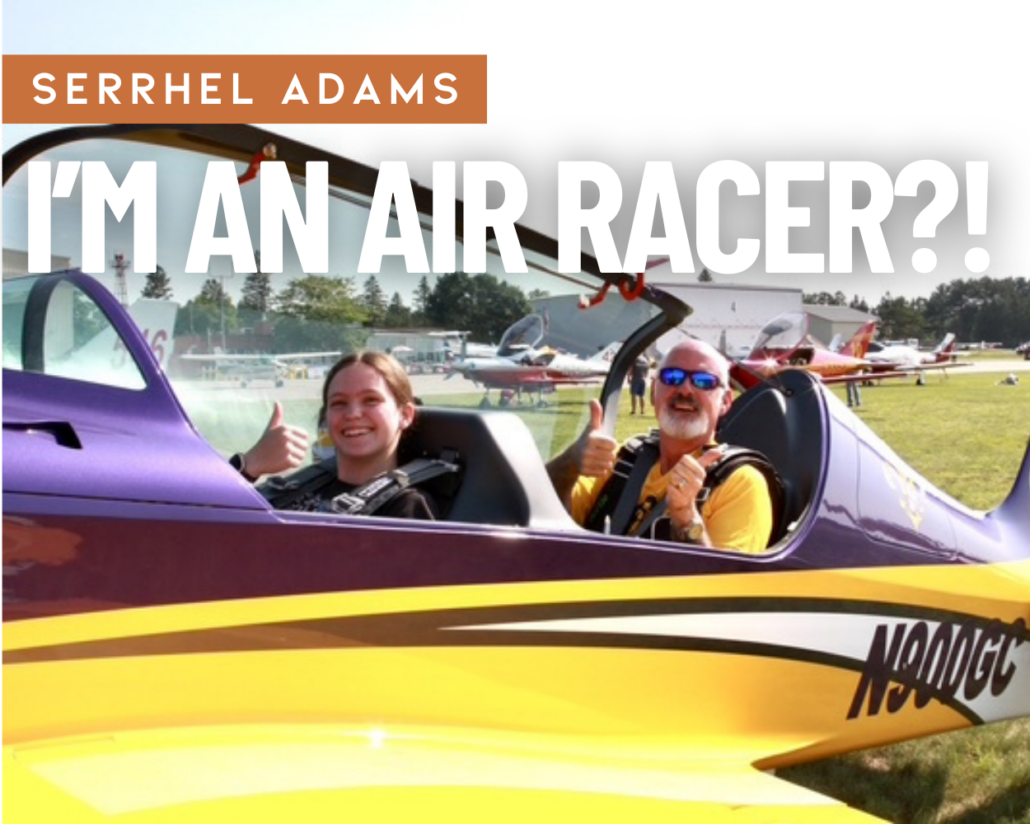
My decision to participate in the AVC has had a big impact on my flying.
My article on mentorship generated quite a bit of interest in the AirVenture Cup Race (AVC) and how a lowly GA pilot becomes a racer. My decision to participate in the AVC has had a big impact on my flying. I’m flying more often, looking for opportunities to have more fun with my flying, and looking to improve my flying. Most importantly, I’ve developed so many friendships along this journey. I strongly encourage every pilot to give racing a try. You’ll likely find that the AVC is nothing like you imagine. It’s probably even better.
Please realize the EAA AirVenture Cup is NOT pylon racing in formation on a closed course. It is a cross-country flight. The race started as an idea tying the 100th anniversary celebration of Kitty Hawk with AirVenture Oshkosh. The race was designed to mimic the grand cross-country races of the dawn of flight. The race draws heavily from the rules of the Bendix Trophy Race. As the premier cross-country race in the Golden Age of racing, the Bendix served as the perfect foundation for the first draft of race rules that are still followed today.
The first race was held in 1998, with only 10 aircraft participating along the Kitty Hawk to Oshkosh course. The race has grown in numbers and the format has changed. But from the outset, the goal of the race has always focused on flying a “personal best” rather than emphasizing just a single winner. In 2022, the AVC flew the present course for the first time. The race is about 370 NM, beginning in Wausau, WI (KAUW), with the finish line at Merrill, WI (KRRL). Recovery is at KAUW, for about 380 NM of total flight distance. By running the same course each year, racers can compare results year to year. They can then make improvements to their aircraft and work on their flying precision to improve their times the following year.
I learned about the AVC while exploring AirVenture. I was logging Cessna and Cirrus time. Lots of time flying point A to point B. I read about air racing, but never dreamed I could become involved. I assumed the flying skills needed were beyond mine. Additionally, I assumed the costs of a “racing aircraft” to be prohibitive and beyond my means. Well, the old adage of “assumptions” turned out to be true. As I learned, if you are a private pilot and have access to an aircraft, you can race.
In terms of piloting skills, you need three things: currency, proficiency, and a willingness to learn the rules to make a safe cross-country “race.” In fact, a newly minted private pilot, within weeks of receiving their initial ticket, has successfully completed the AVC. Again, the AVC is not a close-formation, closed-course race around pylons. It is a cross-country race over the beautiful Wisconsin countryside. The race crosses several predetermined waypoints (airports) and ultimately recovers where you started. It’s the type of flight you likely complete several times a year. You might see a plane or two along the way, but far fewer than the congestion around a busy non-towered airport or the FISK Arrival.
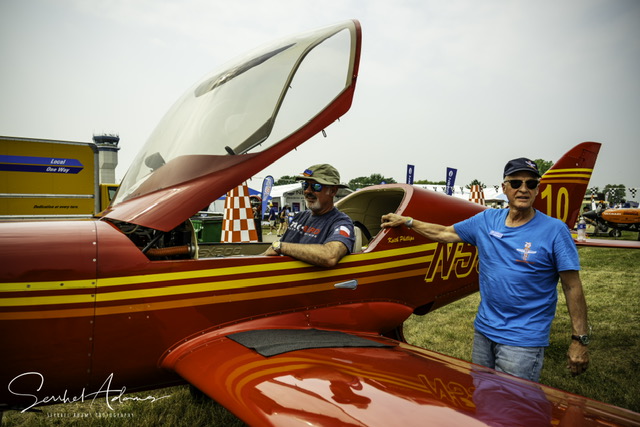
Think your plane does not have the racing moxie? Think again. The AVC has hosted all types, from a J-3 Cub to jets. There will be some serious pilots flying “Reno” class racers. Still, most aircraft will be either beloved homebuilts or certified aircraft, flown by their owners for travel, sightseeing, or a $100 hamburger the other 364 days of the year. Multiple categories of aircraft exist to help make racing more competitive, and your aircraft will fit nicely into one. If your aircraft is well maintained and airworthy, it will make a fine speedster for your class.
The process to become a racer is amazingly simple. The team of volunteers at AVC will help you with registration, insurance, and required aircraft paperwork. As you go through the registration process, you will get to pick a race number and proudly display it on your aircraft. You’ll be surprised at the conversations those numbers will inspire wherever you land.
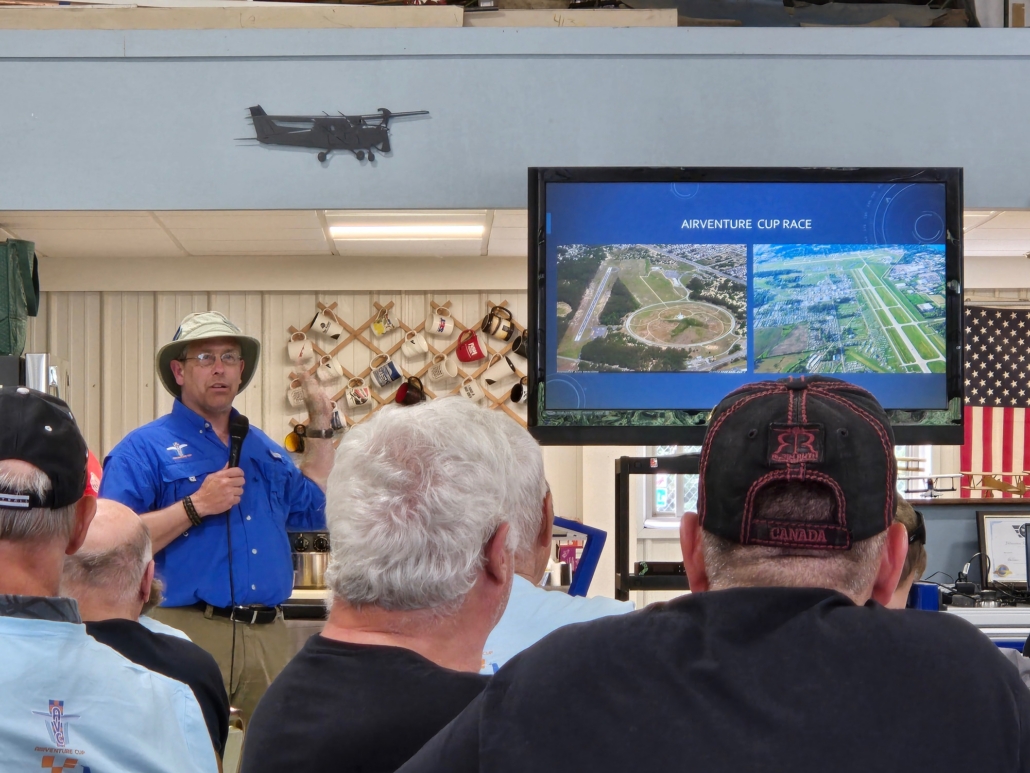
Your time in Wausau will be spent meeting volunteers, local non-pilots who come out in droves, and other racers. You will see some very cool aircraft and meet some very cool pilots. Everyone will be there to help you make the most of your experience. Great stories and new friendships abound. You will have several briefings with plenty of time to ask questions. Everyone is nervous for their first race, but all the volunteers and racers will do their best to put you at ease.
Worried about flying around a lot of other aircraft? Do not let this concern prevent you from participating. The race organizers are adept at staggering the starting order, with the fastest planes starting first. You’ll be assigned a starting position based on your estimated speed and course time. The staggered start means you won’t have to worry too much about passing or being passed during the flight. Even if a pass occurs, there’s plenty of room in the Wisconsin countryside for more than one plane.
After your start, you will fly the cross-country flight you’ve been planning for weeks. The course is well described on the AVC website. You’ll know the headings, frequencies, and distances. You’ll fly the flight you planned. You’ll set your power, mixture, and altitude like always. But maybe you’ll pay a little more attention to the winds or your power settings with the hope of getting around the course a little faster than you expected.
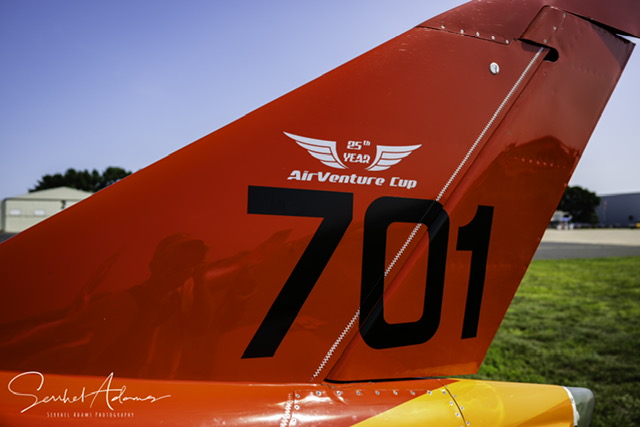 You’ll cross several airports, lakes, and fields. It’s a very scenic flight. Since the course has remained stable over four years, there are now thousands of spectators gathered along the route at airports, all to watch you speed by. If you need fuel, a bathroom break, or a mechanical check, you stop with no penalty. The emphasis is on safety. Before you know it, you’re flying down the final runway centerline to the finish line. Then it’s a short hop to recovery back at KAUW. Once you’re done, the question is not “How fast did you fly?” The real question is “How much fun did you have flying fast?”
Wausau (KAUW) is conveniently located to join the Fisk Arrival into Oshkosh for AirVenture. If this is your first time to fly into “the show,” the experience on hand at KAUW after the race is invaluable. Racers and volunteers will help you with flight planning. You can top off at KAUW, then take the short flight to Endeavor Bridge, the most likely initial starting point of the FISK Arrival.
Once you have successfully landed on your dot at KOSH, you will show the marshals the sign issued to you by the AVC. You will be whisked to a prime parking spot right along RWY 18-36, in front of the tower. You and your plane will get quite a bit of attention. You too are now an air racer, and you deserve the accolades.
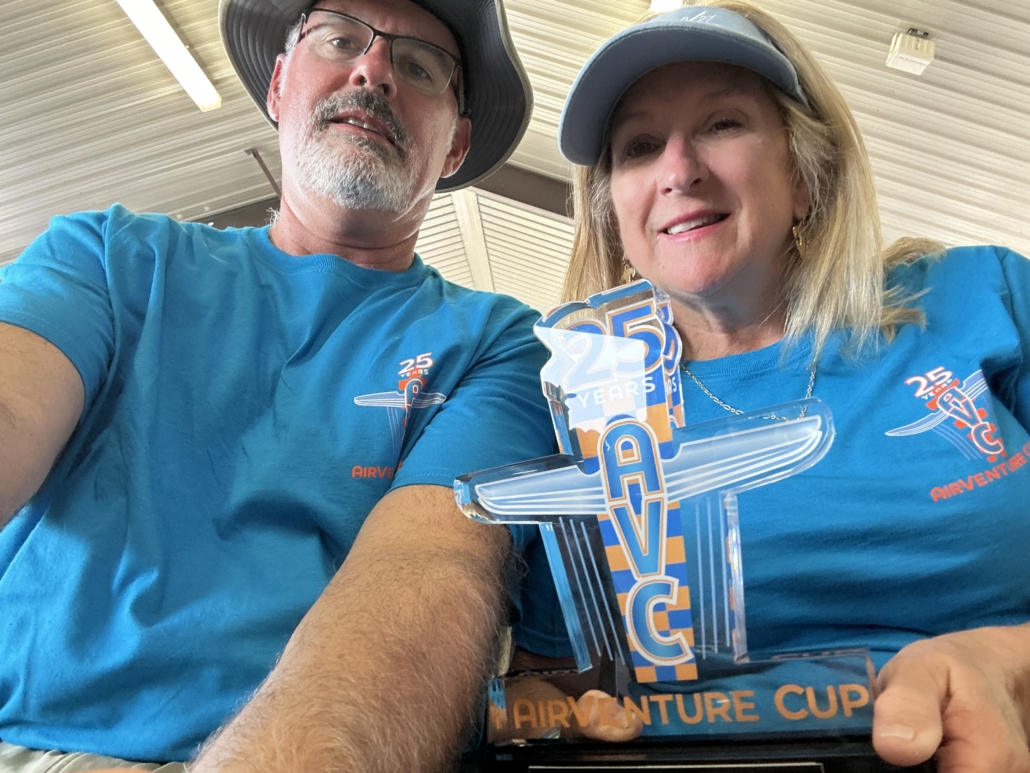
Monday night of AirVenture is the awards ceremony and dinner. There will be lots of bragging and excuses, as some go faster than others, but slower than they expected. Then there will be time to visit with new friends around the AVC display at AirVenture. Maybe you will find someone meandering around the exhibit, and you will become the mentor of next year’s newest racer. And who knows, you may reignite that childlike passion for flight that sent you to the airport for your first lesson. Like me, you’ll be hunting for the next flying adventure, meeting new friends along the way, and counting down to next year’s AVC. Isn’t that what all air racers do?
This year’s race is scheduled for July 17–19. Registration opens in mid-March. Go to www.airventurecuprace.com
and secure your spot.
- I’m an Air Racer?! - March 16, 2026
- My Most Dangerous Flight - February 13, 2026
- Friday Photo: Clouds Above - February 6, 2026


Leave a Reply
Want to join the discussion?Feel free to contribute!