
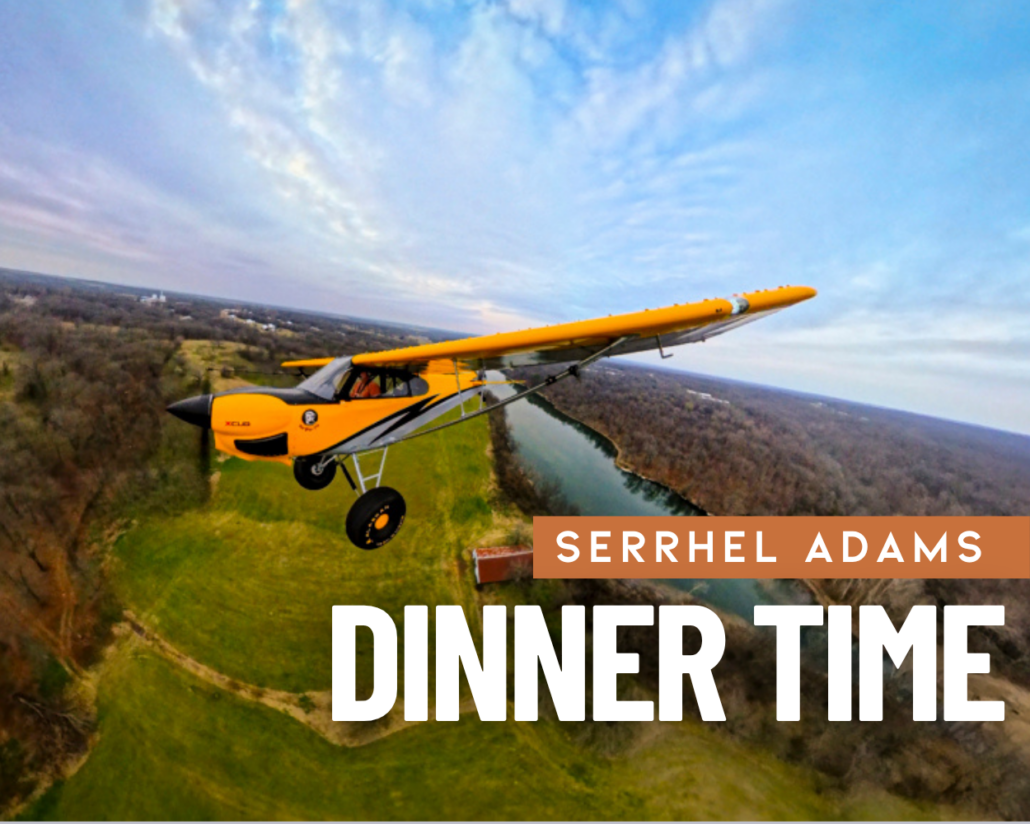
Dinner Time
|
Getting your Trinity Audio player ready...
|
 Every skill has a learning curve. With practice, the curve toward mastery begins to flatten. It never truly disappears—because no matter how proficient we become, there is always something that can be done better.
When I was learning surgical skills, a mentor explained this in a way I never forgot. He said that when you’re ready to operate, it should feel like you’re “sitting down to dinner.” You should be calm, comfortable, and capable—just as you are when you sit down to eat.
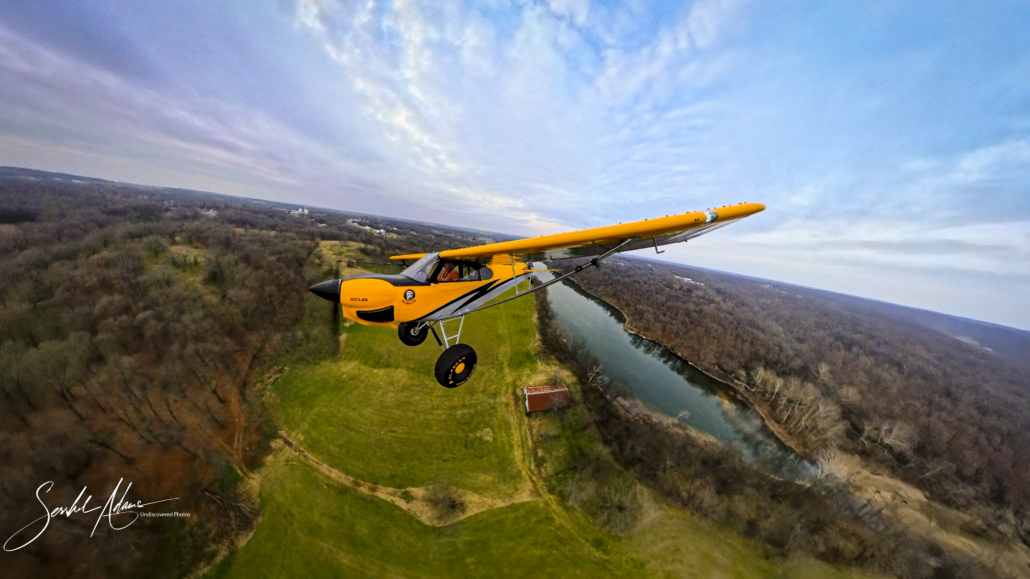
I’ve tried to apply that idea to flying. I practice a lot. Over time, some aspects of flying have improved significantly, while others still require work. But as the years pass, the cockpit has slowed down. Tasks that once demanded conscious effort now flow more naturally. With practice comes calm, and with calm comes enjoyment. Flying begins to feel like sitting down to dinner.
But proficiency carries a quiet risk: complacency.
The definition of complacency starts harmlessly enough—a sense of well-being and satisfaction. The danger appears in the second half: satisfaction accompanied by an unawareness of actual hazards or deficiencies. So how does a pilot committed to improving on every flight avoid slipping from competence into complacency?
The dinner analogy still works—if we finish it. Yes, flying should feel comfortable and familiar. But at more than $100 an hour, this isn’t a casual meal. It’s dinner at a five-star restaurant, and the expectations should be just as high. Use the comfort that comes with experience to become relentlessly critical.
You wouldn’t accept lipstick on your fork, so don’t accept that low nose-wheel strut. You wouldn’t sit in a chair with a tack sticking out of it, so listen to that feeling that you missed something on the walk-around and start again.
If you order a medium-rare steak and the waiter repeats “well done,” you speak up—so clarify that ATC instruction. If the food arrives wrong, you send it back—so execute the go-around when things aren’t right. And when something just tastes off, you pause before taking another bite. Then ask yourself: Why am I faster than normal on this approach? Is the gear down? Are the flaps where they should be?
My mentor was right about practicing until you develop a sense of comfort and calm—but the analogy needs one final addition. You don’t just sit down to dinner. You sit down as the most demanding customer in the room.
The goal isn’t to fly on autopilot—literally or figuratively. The goal is to fly with ease and vigilance. To be comfortable enough that nothing feels rushed, and disciplined enough that nothing substandard is ignored.
Keep flying. Keep learning. Become comfortable in the cockpit—but treat every flight like a meal at a Michelin-star restaurant, not a burrito at a gas station. Be the pickiest of flyers. Attention to detail is not optional, and complacency is never on the menu.

- Dinner Time - November 11, 2026
- What Might Have Been - October 28, 2026
- In a Snap - October 9, 2026

Leave a Reply
Want to join the discussion?Feel free to contribute!