
What Might Have Been
|
Getting your Trinity Audio player ready...
|
I’m still in a bit of a vacation hangover. Not the kind caused by too many drinks with little umbrellas, but the kind caused by returning from a great trip and finding that work has been patiently waiting for you—and apparently multiplying while you were gone.
My wife and I were fortunate enough to make our first trip to Alaska. Since returning, everyone asks the same question: “How was it?” I usually give two answers. The first is easy. It was amazing. Beautiful. More than I hoped it would be.
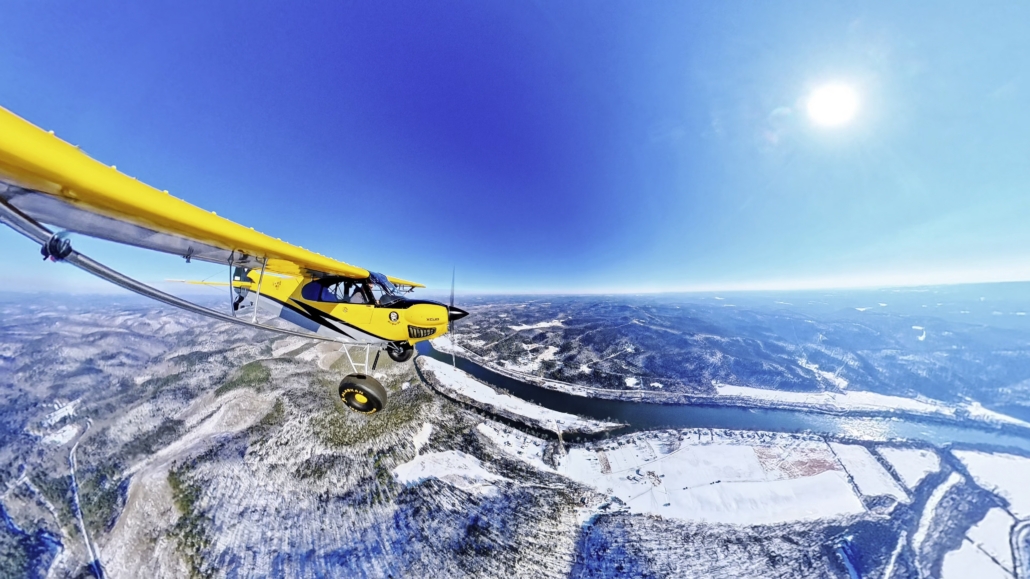
The second takes a little more explanation. Saying I “saw Alaska” after a week feels a bit like saying I spent a week in Australia and saw the country. Alaska is simply too big for that. I understood its size intellectually. I had looked at maps. I knew the statistics. But I didn’t truly understand its vastness until I stood there and realized how tiny a speck of it I was actually seeing.
As an aviator, Alaska left me seeking answers to questions no one asked me. I want to be careful here. I am not going to tell anyone what aviation means to Alaska or pretend that one week made me knowledgeable about Alaskan flying. There are pilots who have spent their entire lives flying there who know more about that subject than I ever will.
What I am pondering, as I try to avoid work, is the place the airplane seems to hold in Alaska. That is making me think about what aviation is—and what aviation could have been in the lower 48. I’m asking myself if aviation in Alaska provides a glimpse of what some of aviation’s early pioneers imagined airplanes becoming for all of us.
Landing in Anchorage, one of the first things I noticed was simply the amount of general aviation. We taxied past row after row of single-engine airplanes. Just how many tailwheel airplanes were parked at the Class Charlie airport? Single-engine tricycle-gear airplanes were too numerous to count. Working airplanes. Personal airplanes. More little airplanes in one place than I’m accustomed to seeing anywhere outside AirVenture or Sun’n Fun.
And that was just one airport. Right next door is Merrill Field, again covered with general aviation airplanes. Then squeezed between the two is Lake Hood, with more airplanes on floats than I had ever seen gathered in one place.
General aviation was not foreign here. It did not feel as though general aviation had been pushed off into some distant corner. It felt woven into the place. I knew aviation was big in Alaska, but much like the vastness of the state itself, seeing the aircraft on the ramps in Anchorage told me it was bigger than I had imagined.
Then there were the pilots. Everyone seemed to be a pilot. I’m being facetious, of course, but only a little. Mention aviation in a conversation and there was a surprisingly good chance someone nearby flew airplanes. Not necessarily professionally. They might simply be a private pilot who used an airplane out of necessity and enjoyment alike.
If you did not fly an airplane yourself, chances were you had flown in one to get somewhere. A ride in a “private” airplane did not seem reserved for the rich and famous. Small-airplane transportation seemed routine—something people had used more than once simply because they needed to.
The statistics back up my impressions. Air Facts readers know Alaska reports roughly six times as many pilots per capita and 16 times as many aircraft as the country overall. But a statistic on a website is one thing. Sitting in a room, mentioning airplanes, and having multiple people say, “Yeah, I fly,” or “I’ve been in one of those,” is something entirely different.
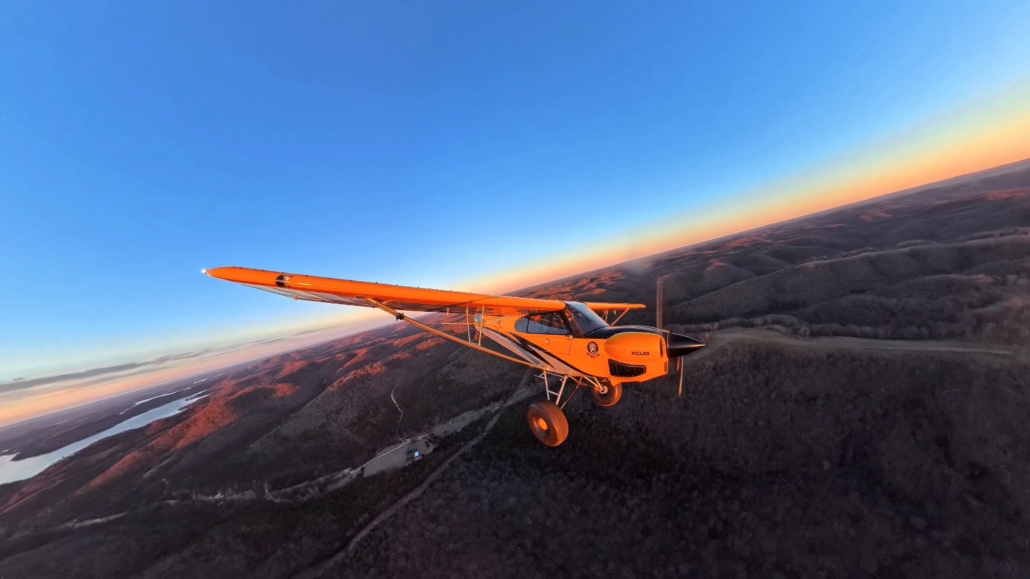
What also struck me was how utilitarian the airplane seemed to be.
I write a lot about flying for fun, because I fly for fun. I like going somewhere simply because the flight itself is worth taking. The Alaskan pilots I met clearly enjoyed flying too. They talked about the scenery, the places they could reach, and the simple pleasure of being above that landscape.
Still, the utility of GA seemed to reign supreme. The airplane seemed to be treated like a car or a truck. It was used because it served a purpose. Need mail or supplies? An airplane may be involved. Need to see family? Airplane. Need to get to a community that would otherwise require an all-day trip—or has no road at all? Airplane. Medical care, school activities, groceries, work, hunting, fishing, visiting friends. All normal daily activities, all frequently associated with an aircraft.
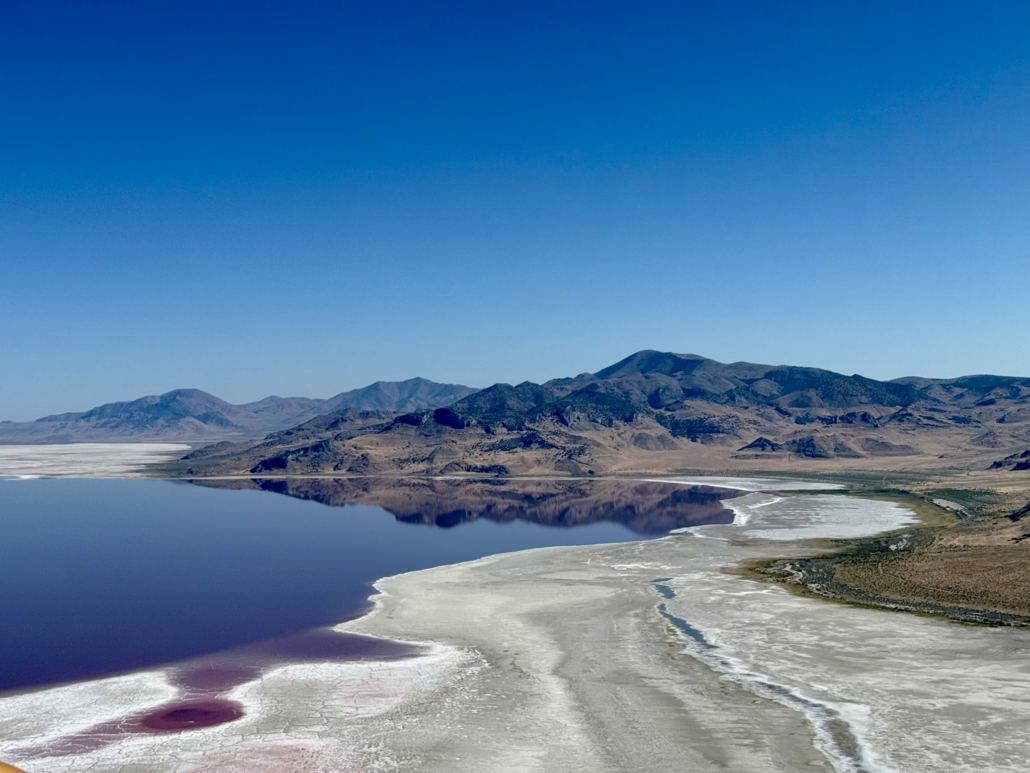
In the lower 48, it sometimes feels like you have to search for a justification to fly. In Alaska, flight needs little justification. Sometimes it is simply how you get there. It’s almost the antithesis of the proverbial $100 hamburger we talk about so often in the lower 48.
One Alaskan I spoke with keeps his Super Cub on skis. He flies it out of his yard. When he needs groceries, he can fly about 100 miles, land literally in the parking lot, shop, load up, and fly home.
The airplane isn’t being used because he’s a “pilot” looking for somewhere to fly. He’s using the airplane because he is a person who needs groceries. And he was not alone in this.
The attitudes I encountered toward aviation extended well beyond the professional in a white shirt and black pants flying a pressurized turbine. Often, the machine doing the work was a two- or four-seat piston airplane. The flyers were the same working people we meet in the lower 48 every day. In Alaska, an activity that in much of the lower 48 might be dismissed as a weekend hobby involving an expensive toy was considered routine. A plane did what airplanes were originally supposed to do: move ordinary people between ordinary places for ordinary tasks.
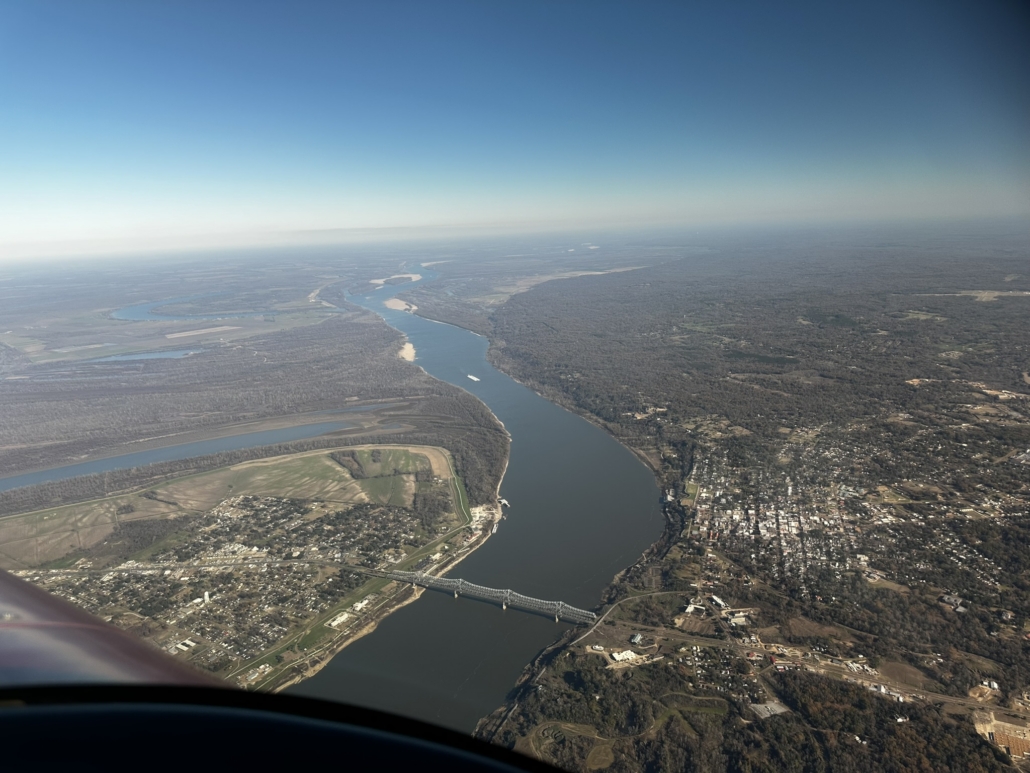
Of course, geography deserves much of the credit. Alaska did not choose aviation over a perfectly good interstate highway system. Much of the state simply does not have roads connecting one community to another. The Alaska Department of Transportation says 82 percent of its communities depend on aviation for year-round access.
Yes, necessity molds attitudes.
Still, necessity does not explain all the differences I perceived between Alaska and the lower 48. Obviously, a week in Alaska did not include a scientific survey of attitudes toward airplanes. There may be plenty of Alaskans who dislike aircraft noise, complain about airports, or would rather never see another Super Cub fly over the house.
Yet I didn’t sense the automatic suspicion of general aviation that we sometimes encounter in the lower 48: airplanes are too noisy, they pollute, they are dangerous, they are toys for rich people.
Instead, the airplane seemed to receive the respect—or maybe simply the lack of attention—we normally give other useful tools.
A pickup truck can be transportation, work equipment, recreation, or all three. Nobody finds that combination strange. In Alaska, the airplane seemed to occupy a similar place.
That ordinariness sent my mind wandering backward.
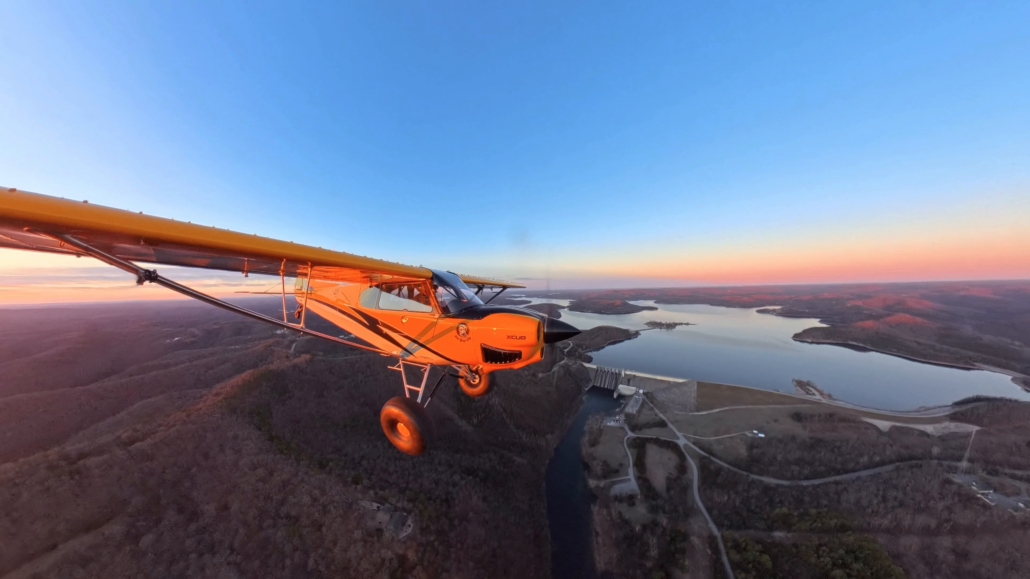
The original Air Facts, founded in 1938, was dedicated to “the development of private air transportation.”
Private air transportation.
Not merely flight training. Not aviation as a hobby.
Transportation. Utility.
For a brief period after World War II, aircraft manufacturers and much of the aviation world imagined a far larger role for the personal airplane. Companies expected returning military pilots to keep flying. Piper, Cessna, Beech and others built airplanes for private owners. Businesspeople would travel in their personal airplanes. Airplanes were even displayed and sold in department stores.
The idea of the “family airplane” was not science fiction. There was serious thought that aviation might become another layer of personal transportation.
Obviously, that future never arrived in the lower 48.
We built suburbs and sprawling highways to connect them. Many towns built community airports but watched as houses and roads spread, while the expected flood of personal airplanes never materialized. Some airports survived and prospered. Others became increasingly isolated from the communities around them. Still others eventually disappeared beneath the development they had once been built to serve.
Meanwhile, the automobile became the obvious choice for most trips. The airplane demanded training, maintenance, hangars, fuel, weather decisions, and an airport—or at least somewhere appropriate to land—at both ends.
In a race toward a transportation future, as America looked toward the neon lining Route 66 and the exits lining the interstates, the car won.
And let’s face it, for most people and most circumstances, it deserved to win. A car requires almost no planning. The weather rarely matters. You can leave whenever you want and usually arrive at the exact building you intended to visit.
The airplane was never going to replace that.
But I do wonder whether we gave up more than we had to.
I am not suggesting we tear up Interstate 40 and replace every entrance ramp with a grass strip. I don’t think anyone ever envisioned a future where someone in the Bronx commuted to Queens in a J-3 Cub. I’m not even sure I want millions of my fellow drivers suddenly becoming pilots.
But in the lower 48, the notion that general aviation could be ordinary largely disappeared. Somewhere along the way, general aviation stopped being viewed as having much utilitarian potential. It became categorized as recreation, training, business travel, or luxury.
Perhaps more importantly, the airplane became something for “pilots,” rather than a tool for ordinary people who happened to fly.
There is a subtle difference.
How many trips in the lower 48 still make sense in a light airplane? The three-hour drive to visit family that becomes a one-hour flight. The specialist whose office is in a city awkward to reach by road. The small town with a restaurant you like. The college football game. The weekend trip where the highway bends around mountains or lakes while the airplane simply crosses them.
Is there a role in the lower 48 for regular daily or weekly use of a lowly piston airplane?
No, not for everyone. Probably not even for most people.
But certainly for more people than take advantage of it now.
Some of us fly that way now. I’m sure many Air Facts readers do. But we operate within a culture that often regards us and our airplanes as a luxury rather than a useful form of transportation. Airports can become nuisances rather than assets. The airplane making noise overhead becomes an annoyance rather than a neighbor going somewhere. Even the idea of an airplane operating somewhere other than a conventional airport can seem unusual.
In Alaska, the airplane still appears to belong.
It is not remarkable that a person owns one, or that a small piston airplane has somewhere useful to go. An airport is not necessarily a fenced-off piece of property at the edge of town that most residents never visit. In many places, it is part of daily life in the same way a road, dock, or ferry terminal is part of daily life. And in some places, off-airport flying is simply part of what airplanes do.
I don’t think the lower 48 can become Alaska, and I wouldn’t want it to. Alaska’s aviation culture exists partly because of geography and necessity that we simply do not share.
But maybe we could preserve a little more of the early vision.
We could value the small airports we still have. We could make them easier to use rather than increasingly fencing them off. We could recognize their utility rather than their property tax value. We could build flying clubs, keep airplanes affordable where we can, welcome people onto airports, and remind our communities that a little airplane can be more than a noise complaint or an expensive hobby.
Maybe the goal is not an airplane in every garage.
Maybe it is simply keeping the airplane within the realm of the ordinary.
That is the thought I brought home from Alaska. I can imagine leaving home in a Super Cub, flying over countryside that would take hours to cross by road, landing on a dirt road, a field, or a grass strip near a small town where appropriate, walking to the store of my choosing, loading a few things in the back, and flying home.
Would it always be cheaper? No.
Would it always be faster? In many cases, yes. In others, no.
Would weather occasionally leave me sitting somewhere eating another meal while waiting for better conditions? Absolutely.
But on the days when it worked, the airplane would not be an indulgence added to the trip.
It would be transportation. It would be convenience. It would be routine.
It would be ordinary.
In Alaska, I do believe I experienced the vision of so many early aviators. Maybe aviation in the lower 48 was destined to become what it is today. But my time in Alaska has me wondering what might have been—and maybe, in a few places, what still could be.

- What Might Have Been - October 28, 2026
- In a Snap - October 9, 2026
- Friday Photo: Fly Over Territory - October 2, 2026

Interesting, thoughtful, thought-provoking essay. In addition – or perhaps inextricably inherent – to what you’ve mentioned is (are?) such things as “tolerance” and “simple neighborly civility”. You do your thing I do my thing acceptance of others’ entirely-moral,”golden-rule-observing” behaviors. Our nation was formed on that basis, as eloquently proclaimed in the Declaration of Independence: “We hold these Truths to be self-evident, that all Men are created equal that they are endowed by their Creator with certain unalienable Rights, that among these are Life, Liberty and the Pursuit of Happiness…”
The aviation Alaska you observed would appear to more closely adhere to such sentiments than your typical brouhaha over “some local airport’s” right to exist. I find the whole issue immensely sad, outside counting myself as a GA fan…