
Confusão
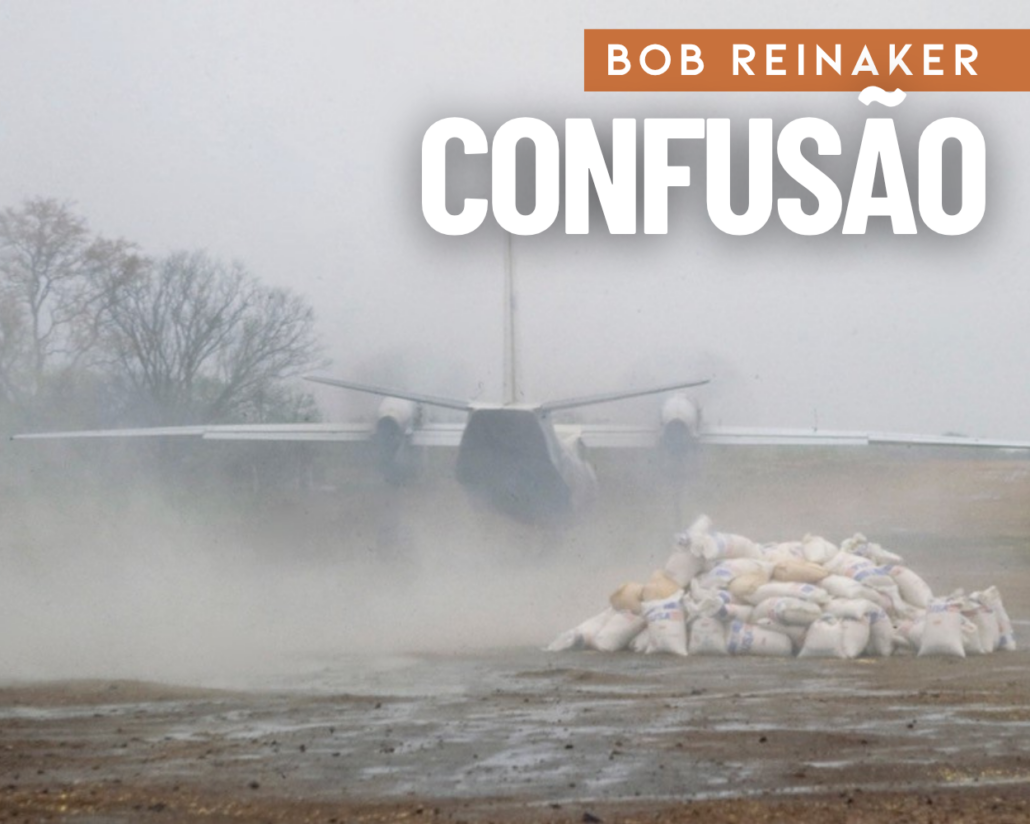
When I got to Mozambique in June 1992, the civil war was still simmering. The war had begun a few years after Mozambique declared independence from Portugal in 1975. By then, it consisted of random attacks on villages, huts burned, residents driven off, and food supplies stolen. Driving was too dangerous, with many roads laced with land mines. Flying was the only safe way for the various aid groups overseeing projects, conducting doctors’ visits, delivering food, and evacuating medical emergencies.
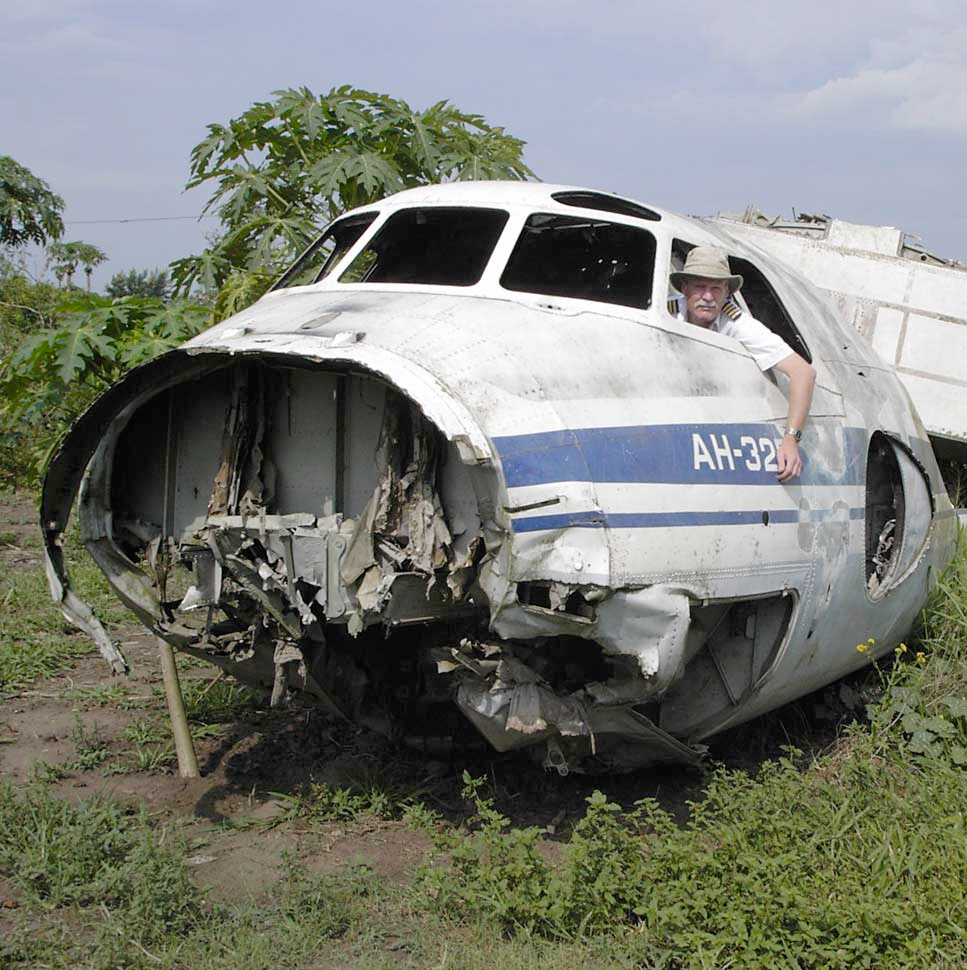
Flying aid missions during the civil war in Mozambique, 1992.
We were told to make a few circuits over the village near the airstrip before landing. We looked for signs of normalcy: kids kicking a soccer ball, clothes flapping on a line, smoke wafting from cooking fires. Empty footpaths and burned huts indicated a recent raid by the bandits, rebels, freedom fighters—whatever you wanted to call them.
I was taking Portuguese lessons from Carlos, our “go-fer.” One of the most useful words I quickly learned was confusão—a confusing situation, a mix-up.
On my flights, I learned to recognize a confusão in the making. Some of these potential signs of trouble were familiar to me: knowing when to turn around before the ceiling drops below the ridges or when to take on some extra gas. However, risk management in Mozambique took on a wider context than simply managing weather and fuel minimums.
Confusão was a constant in my early exposure to flying in Mozambique. Fees and flight plans, for sure. We had to submit a flight plan for every flight. Radio contact with the tower would be lost shortly after takeoff. It seemed to me a wasted exercise since there was no search and rescue, but still, every “i” had to be dotted and every “t” crossed. Every blank space had to have an entry. The forms were shoved in a drawer and forgotten. Luckily, we had HF communication with our base, so our position was tracked.
The number of passengers listed on the ICAO form had to agree with the number of passengers we paid taxes for. Most of my passengers were aid workers flying to bush strips: medical teams judging levels of malnourishment, teams assessing road conditions for potential land mine clearing, people assessing damage from recent attacks, film crews documenting the civil war, and teams distributing food aid. We had passenger taxes to pay, navigation fees, and landing fees based on the number of hours we were parked, the type of plane we flew, and on and on. All possibilities for a confusão.
Operating out of remote bush strips across rural Mozambique.
Although Mozambique was a Portuguese-speaking country, almost all the pilots were English speakers—a few from the USA, but most from South Africa, Zimbabwe, Australia, New Zealand, and the UK. The controllers were Mozambican Portuguese speakers who were required to use English. For sure, a confusão waiting to happen.
And then the Russians arrived.
In October 1992, a peace accord was signed, officially ending the civil war. Around this time, with the demise of the USSR, Aeroflot planes began streaming out of the former Eastern Bloc countries, mostly to Africa. Antonov 26s and 32s appeared on the ramps in Mozambique, eager to cash in as new converts to capitalism.
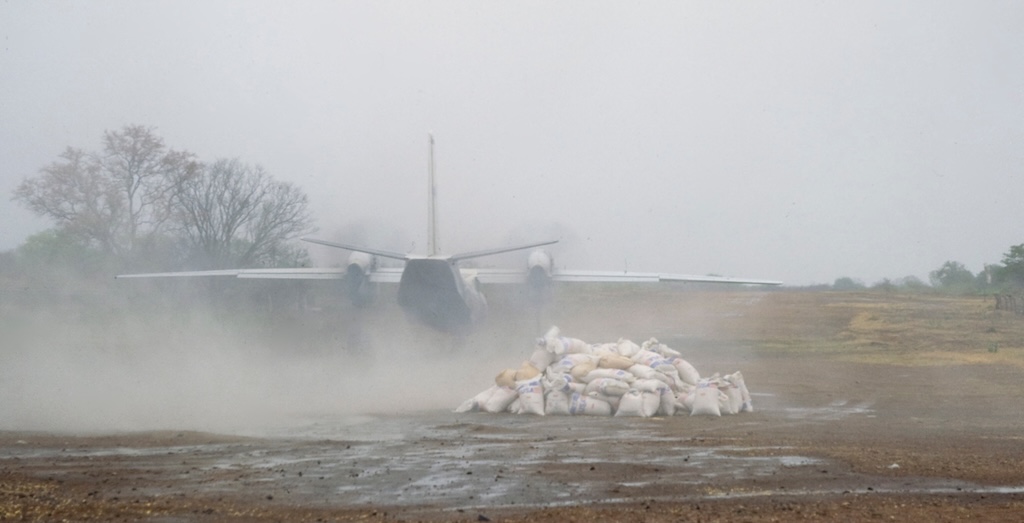
These Russian cargo carriers were chartered by the World Food Program to carry cargo, mostly 50-kg sacks of corn from the USA destined for villages suffering from food shortages. These hulking twins, trailing smoke from their massive turbines, would fly between the Quelimane airfield where we were based, climb to 17,000 feet, descend and land at a number of strips around 100 miles away, kick out the sacks of corn, then return to base. They would make several round trips a day.
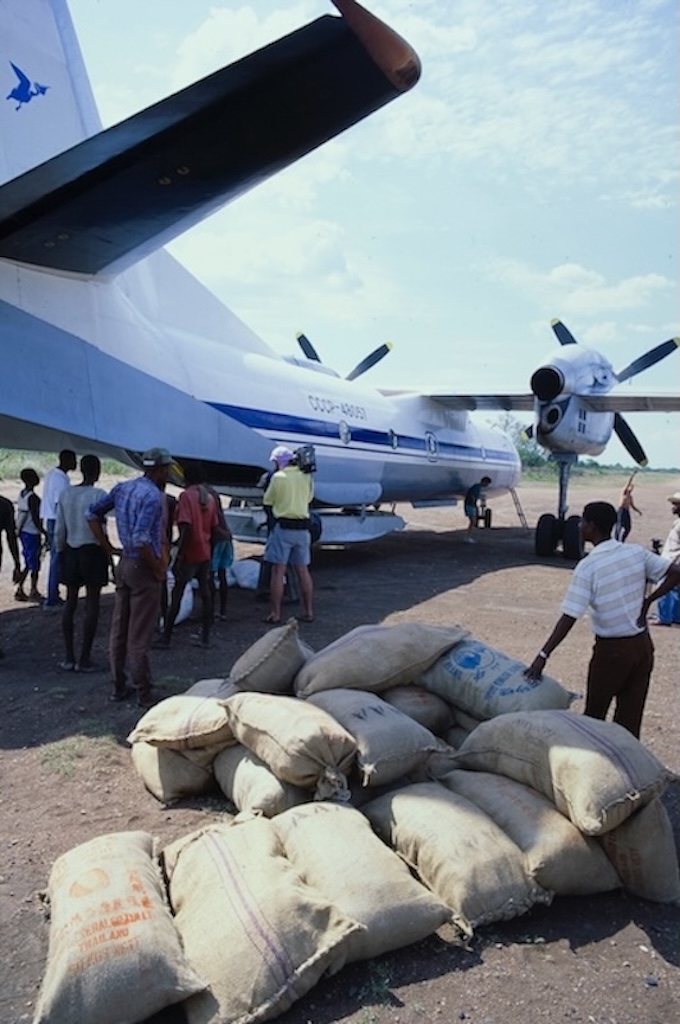
Antonov turboprops flying heavy relief cargo for the World Food Program.
They had four-man crews, with one of them speaking English—well, sort of. I’m sure they had taken a crash course in English, which meant they knew a few words: “cleared to land,” “takeoff,” and “Roger.” Pretty basic stuff. From our point of view, it was best to give them a wide berth and be ready for anything. Definitely a confusão in the making.
I remember one flight I overheard. An Antonov returning from a food drop-off was somewhere near the pattern, and the tower controller asked, in Portugenglish, “What is your position?” The reply came back, “Roger,” which, to the Russian pilot, was one of his go-to words. I was about to take off but quickly decided to hold until he was on the ground and well clear of me. Another confusão in the making!
From my understanding of the rules of war, uniforms were the way to tell the opposing sides apart. But here, things weren’t so clear, since both sides wore bits and shreds of a uniform—or none at all. Another potential confusão.
Most of my flights were to recently liberated areas under loose control of the government forces—or so we were told. On one early flight, I landed near the town of Mulevale. My two World Vision monitors, intent on surveying the food situation, ambled off to the village while I stayed behind to “guard” the plane.
Shortly afterward, I heard rustling in the bushes, and out staggered a young man. He was dressed in ragged army pants, barefoot, and wearing a tattered shirt, but I focused on the AK-47 he was waving around. Was he a good guy or a bad guy? Did it matter? He pointed to his mouth and said, “Cigaro, cigaro,” asking for a cigarette. But I wasn’t a smoker. I shook my head and said, “No,” hoping he’d wander off. To my relief, he stumbled back into the bushes.
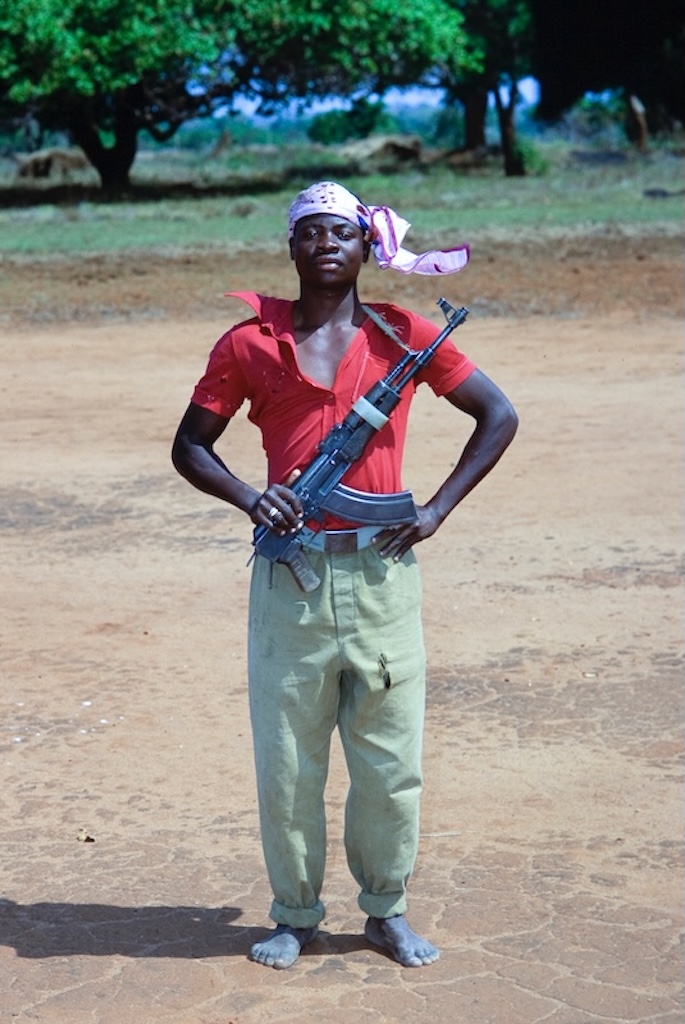
Uncertain encounters in the bush: distinguishing friend from foe was never straightforward.
I returned to the 206, anxiously waiting for my passengers. Shortly afterward, they arrived and asked if I’d seen the soldier passed out in the grass. Relief flooded over me, and we were soon airborne and headed back to base.
As my Portuguese improved, the peace accord took hold, and I built my flying hours, I became an expert at spotting a confusão ahead.

Leave a Reply
Want to join the discussion?Feel free to contribute!