
Who Knew It Would Take Four Instructors to Get My Multi?
|
Getting your Trinity Audio player ready...
|
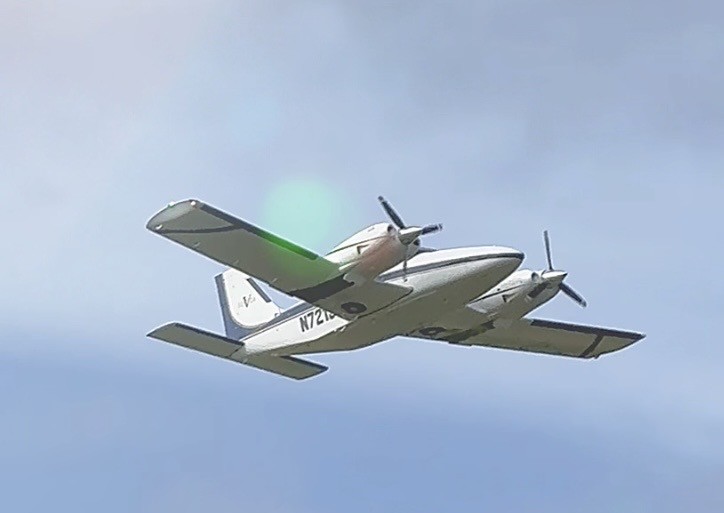
Since acquiring a home in The Bahamas, I had given up my Skylane and moved to a twin.
It had been about 30 years since my last rating (IFR, SEL). Since acquiring a home in The Bahamas, I had given up my Skylane and moved to a twin, given my current mission’s regular long overwater legs. A Kansas-based, well-maintained 1997 Seneca V beckoned, and I began my journey toward earning my multiengine rating. I’ve read over the years that some pilots and instructors don’t exactly mesh, but I had never had that experience. I would now. The road to getting my multi was so bumpy that I almost gave up before ever soloing in my new-to-me twin.
I hired an amiable graybeard MEI with a great reputation to fly commercially with me to Kansas and bring the plane back to Florida. Along the way, he began my “multi familiarization certification course” for insurance purposes (although this wasn’t a multi checkride). With me in the left seat and him in the right, I quickly realized that his old-school “yell at you” style, while well-meaning, wasn’t a match for me. I knew I wouldn’t continue with him for the multi rating. Instructor #1. On to the next.
Since I was based at Lakeland (KLAL), I signed up with a “major” school on the field. Their promise of two available Senecas and two MEIs sounded good. I liked the idea of training in the same model as my own plane. Arriving for my first day, I was told that one plane was actually out for paint and one of the two MEIs was about to depart for an airline job. Uh oh. Over the next four weeks, a nightmare of scheduling problems and unavailability ensued, with no accommodation at all from the school’s management. Instructor #2. Next.

Almost the entire multiengine rating consists of handling multiengine emergencies.
At this point, I was eager to get this done. Having logged some hours in the Seneca by now, I realized that flying the plane wasn’t very different from flying my Skylane. Almost the entire rating consists of handling multiengine emergencies (i.e., the loss of an engine). Next, I enrolled in a Florida-based “accelerated” program that promised the rating in four days.
Welcome to an ancient Apache. The instructor and school were inexplicably intent on having me learn every system and idiosyncrasy of this particular 1950s-era aircraft. Their emphasis on learning the plane’s faults and systems, along with all the multiengine maneuvers, overwhelmed me almost to tears. After many scheduling challenges (DPEs are notoriously hard to schedule in Florida), I did go on a checkride, which, in hindsight, I wasn’t prepared for. The hard-ass examiner pulled an engine 200 feet off the ground, and I flunked right there. Instructor #3. Next.
I was about to give up and sell the Seneca. Luckily, I had made the acquaintance of “Jim,” a retired Southwest captain and fellow Seneca owner. He got me on the phone and slapped me around, pointing out that the Seneca was the perfect aircraft for my mission and there was no reason to give up. He told me to find another school.
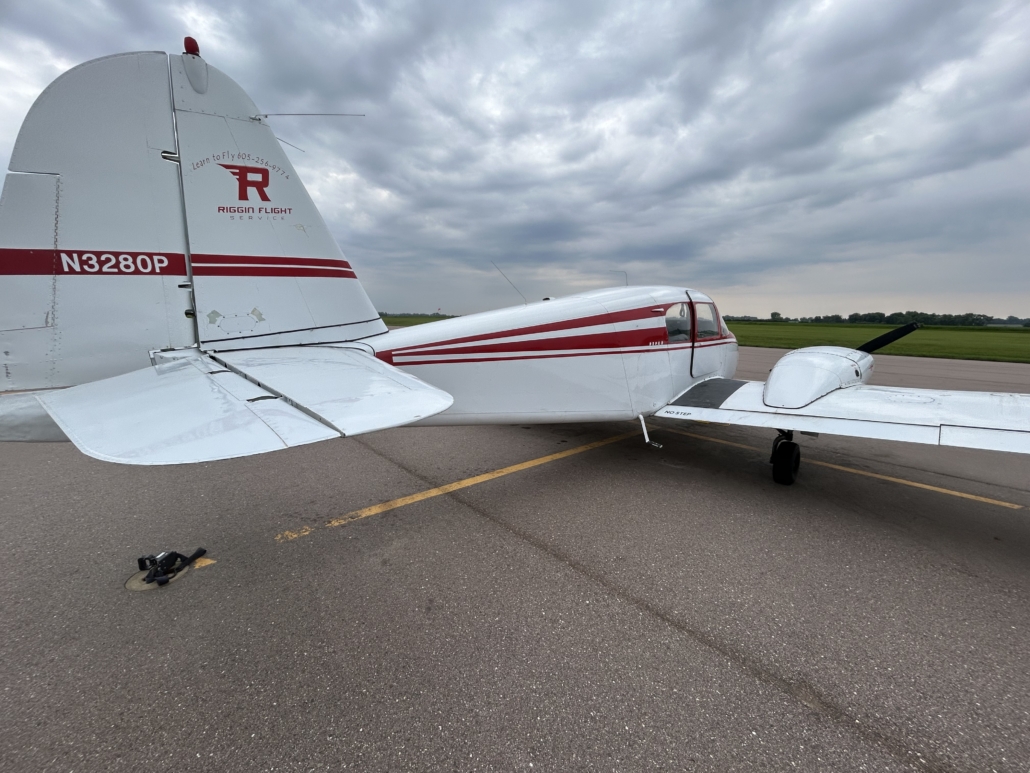
After looking around several Facebook groups and posting my frustration, I was referred to Riggin Flight Service in Madison, South Dakota. The small airport and flight school are run by Morris Riggin, who also happens to be the DPE. I flew from Florida to South Dakota and immediately stepped into another world. They provided student housing for $25 a night and a free loaner car. They made me feel welcome.
My first flight with my instructor there was a breath of fresh air. He was intent on making me safe without overloading me. We were in an Apache again, but this time, the focus was on me and the emergencies, not on the plane. When I brought my iPad along, the instructor said, “What’s that for?” and threw it in the backseat. He pulled out a dog-eared approach plate from the glove box. “This is what we use. Forget about the fancy stuff.”
The environment, instructor, and attitude were just what I needed. The low-key but extremely focused school had me ready for Morris in three days. The checkride went flawlessly, and I was signed off. Just like that. Instructor #4.
Thank goodness Jim slapped me around. More importantly, I learned—for real—that not all instructors or schools are created equally. Also, while some schools might work for certain students, they don’t work for everyone. Matching the student, school, and instructor—all three—is really the trick. Something to pay more attention to next time I need a rating.
- Who Knew It Would Take Four Instructors to Get My Multi? - November 16, 2026

Leave a Reply
Want to join the discussion?Feel free to contribute!