
The Meaning and Stories Behind Aviation Challenge Coins
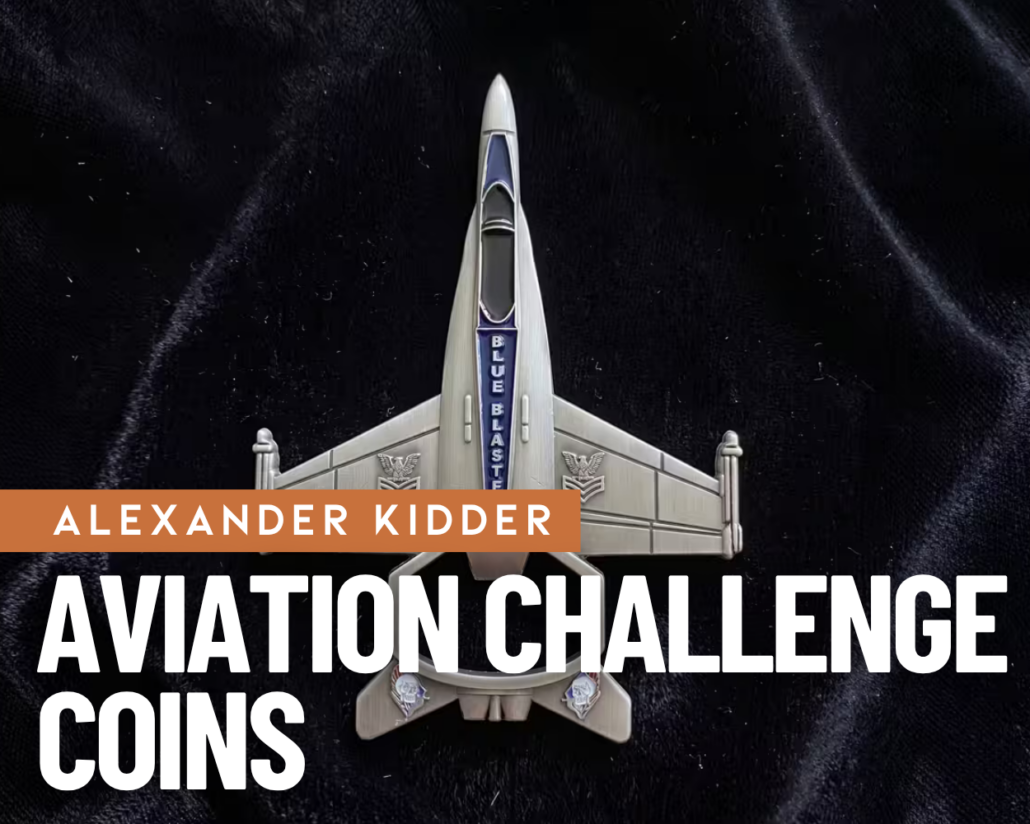
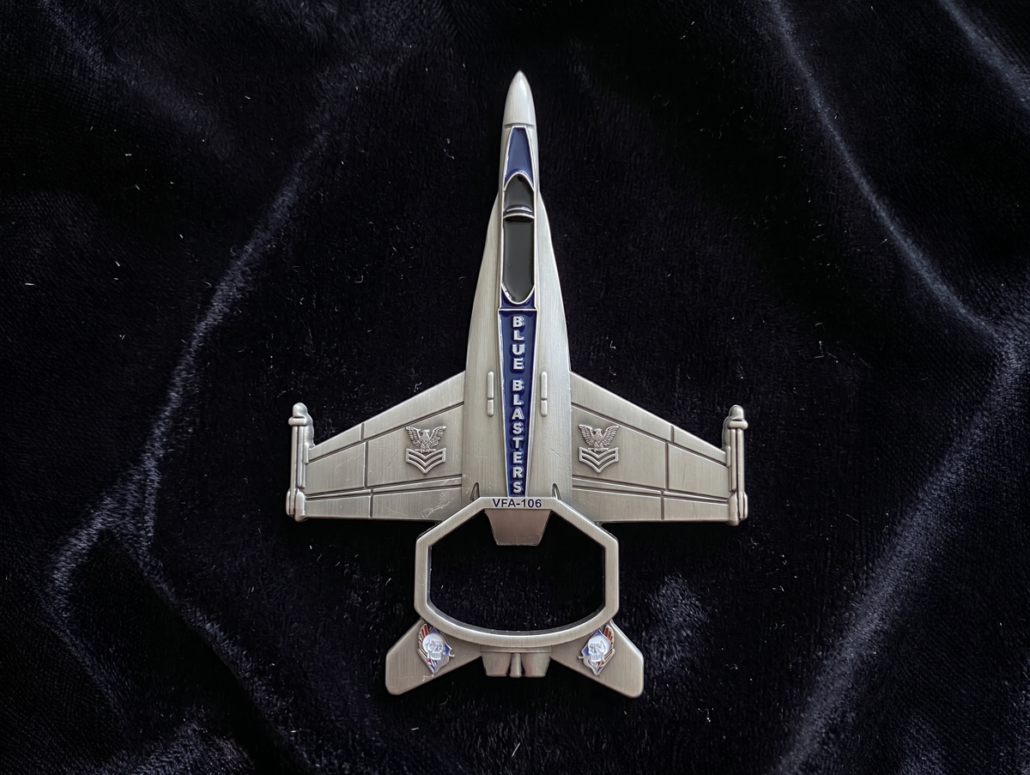
After more than twenty years creating coins for pilots, I’ve come to know aviation through the stories people choose to commemorate.
I make custom challenge coins for a living. Many of my clients are aviators—military squadrons, flight schools, and commercial crews. I don’t fly myself, but after more than twenty years creating coins for pilots, I’ve come to know aviation through the stories people choose to commemorate.
I’ve heard about botched crosswind landings, the nerves before a checkride, and that quiet moment after shutting down the engine following a long cross-country flight, when you sit in the cockpit just a little longer because you don’t want the day to end.
My job is to turn those moments into something tangible. I spend my days translating milestones into brass and zinc alloy, obsessing over design proofs, stripe widths, rivet placements, and antique finishes. From where I sit, aviation challenge coins represent far more than military tradition—they preserve stories.
Ghosts of the Tail End
To understand why aviators value these coins so highly, consider the “Bulldog.”
During the Cold War, the Boeing B-52 Stratofortress carried enlisted tail gunners, officially known as Defense Aerial Fire Control Operators. It was an isolated assignment. The gunner sat alone in a cramped compartment at the extreme rear of the aircraft, physically separated from the rest of the crew while watching the sky behind them.
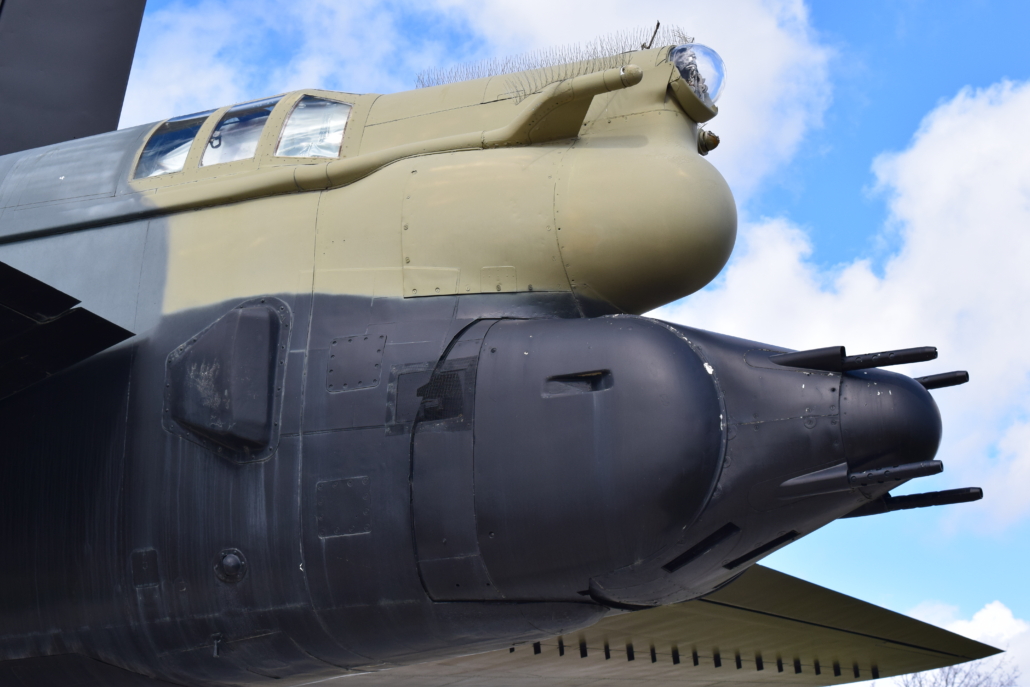
B-52 Tail turret | Thornfield Hall, CC BY-SA 4.0 <https://creativecommons.org/licenses/by-sa/4.0>, via Wikimedia Commons.
The community created its own coin: the Bulldog. You earned one only by serving as a B-52 tail gunner. There were no honorary versions and no exceptions.
Then, in 1991, everything changed. The B-52G fleet retired, the tail guns disappeared from the remaining B-52Hs, and with them went the position itself.
Today, Bulldog coins are remarkably rare. In fact, I was only able to find a single photograph while researching this article. When a retired tail gunner pulls one from his pocket today, he isn’t just showing a coin—he’s proving an entire specialty once existed. Most younger pilots have never met a B-52 tail gunner. The coin has become a piece of living history.
Marking the Milestones
Most people associate challenge coins with the famous coin check: someone slaps a coin on the bar, and whoever can’t produce theirs buys the next round. But that’s only a small part of the culture.
In military aviation, coins commemorate deployments, squadron stand-ups, retirements, exceptional maintenance work, and countless milestones that matter deeply to the people involved.
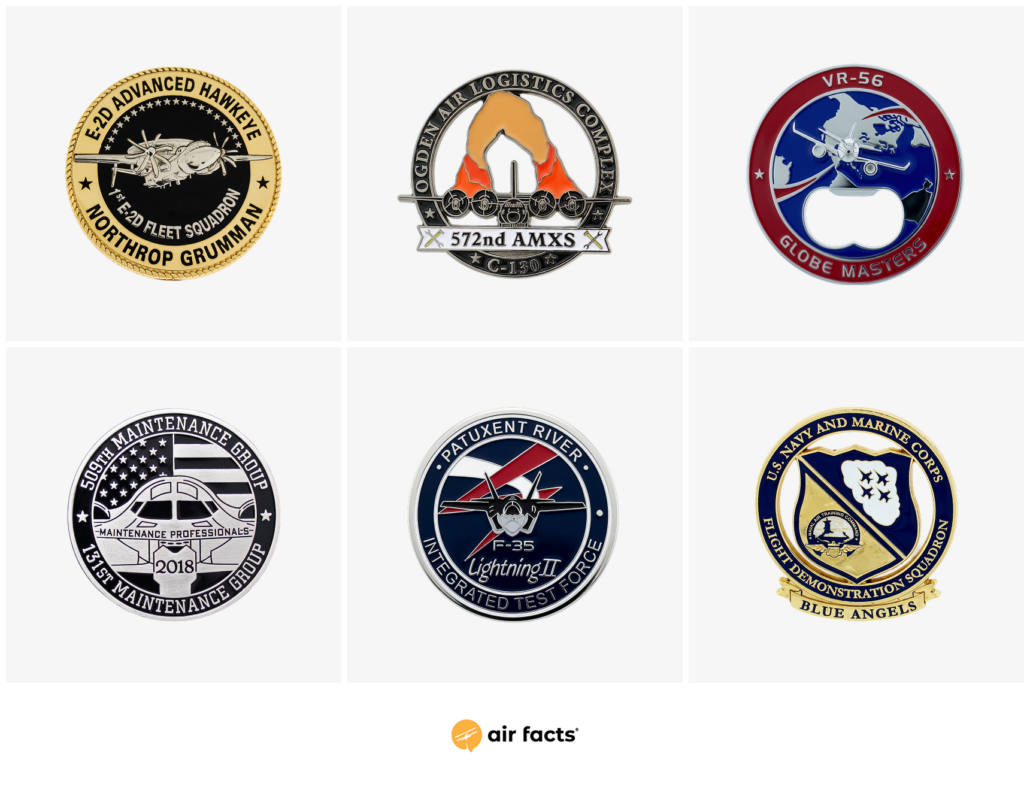
In recent years, I’ve watched that tradition spread into civilian aviation—especially around one unforgettable milestone: a student’s first solo.
The traditional shirt-tail cutting ceremony still survives, but a piece of cloth often ends up forgotten in a drawer. Increasingly, instructors are handing students a custom coin on the ramp moments after they shut down from their first solo flight. There’s something lasting about that.
Months later, when that same student is buried in instrument training, struggling through holds and partial-panel approaches, the coin often sits on the desk where they study. It’s a reminder that they have already accomplished something that once seemed impossible.
Pilots Notice Everything
If there’s one thing I’ve learned, it’s this: pilots are wonderfully demanding customers. Corporate clients usually care that a logo is centered and the colors match the brand guidelines. Pilots care whether the airplane is correct.
Use the wrong version of a Cessna 172—the straight-tail model instead of the swept-tail version someone actually flew—and you’ll hear about it almost immediately.
Military aircraft demand even greater precision. Designing coins for fighter squadrons means studying engine intakes, tail configurations, antennas, and wing geometry with surprising attention to detail. An F-16 pilot can often identify the wrong production block at a glance.
At first, I found that intimidating. Now I appreciate it.
That attention to detail reflects the same professionalism aviation demands every day. Getting the airplane exactly right isn’t simply about appearance—it’s about respecting the people whose stories the coin represents.
A Heavy Metal Logbook
A logbook records the hours. It satisfies the FAA. A challenge coin tells a different story. It remembers the tail number, the deployment, the first solo, the squadron, the crew, or the accomplishment that mattered enough to preserve.
I may never know what it feels like to rotate off the runway or level off on top of a cloud deck. But every time a finished coin comes off the press with exactly the right aircraft configuration and every detail where it belongs, I get to play a small part in preserving someone else’s aviation story.
For me, that’s enough.

- The Meaning and Stories Behind Aviation Challenge Coins - August 19, 2026


Where is the picture of the Bulldog coin?
Hi Peter,
here it is; it’s on a private Facebook account, so we couldn’t share it in the article. A very rare find! https://www.facebook.com/groups/561375814232788/posts/1764985487205142/
Best,
Alex