

|
Getting your Trinity Audio player ready...
|
Most of us learned to fly because we love learning new concepts and improving skills. And there’s a lot to learn— aerodynamics, engineering, rules and regulations. That stuff is like catnip to a certain kind of person. And then there’s the payoff. There is so much you can do with an airplane. It truly is magical.
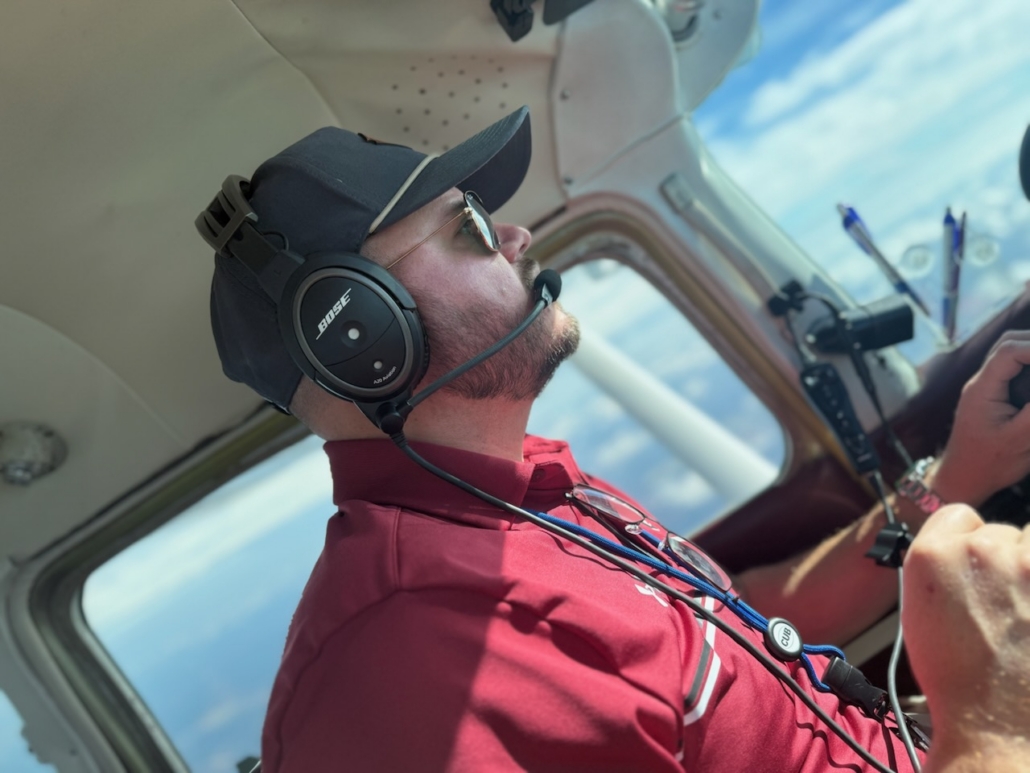
But we need to be aware of a certain irony: the very same personality traits that compel and enable someone to learn to fly—intelligence, imagination, bravery, self-confidence, diligence—are also the traits of someone who has a lot of other things going on.
People with these inclinations tend to be leaders. They run businesses and professional practices. They manage employees and maintain wide networks of personal and professional contacts. They are deeply invested in their families, their work, their communities.
That’s us, isn’t it? A whole lot of us, anyway.
And the hardest thing for people like us to do is admit our limitations. We are positive by nature. We don’t like naysayers. We started that business when others were getting a job. We took risks when others played it safe. Now we have that beautiful airplane in that big hangar—and we want to use it. We want to fly our families on that ski trip or the annual trip to the beach.
The hard truth is this: general aviation, taken as a whole, does not kill a large number of people. But it kills a lot of people like us.
A friend once told me that recreational or personal-use pilots will never be as safe as those who “fly for a living.” I thought about that for a while and realized that whether we are paid money to fly or not, we are still “paid” for proficiency and professionalism every time we fly.
We get to keep living.
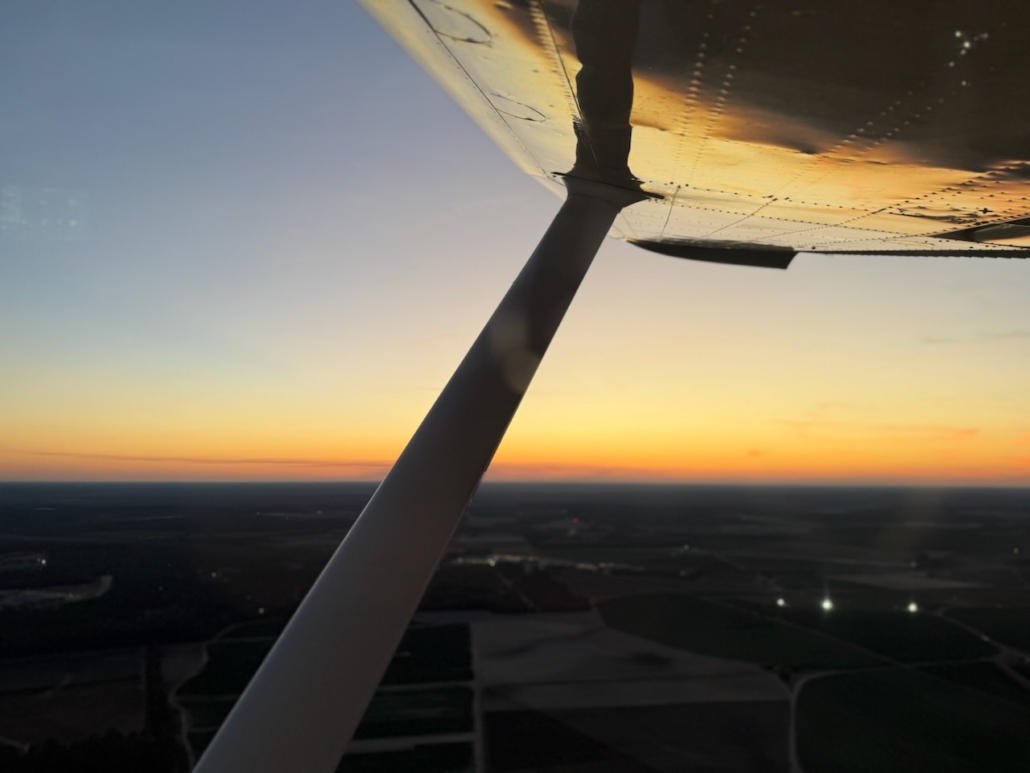
I would submit that if we are going to fly at all, we must “fly for a living.” Simply put, that means treating proficiency like a job. It means setting aside a certain amount of time to fly and train—and making that a non-negotiable condition of being allowed to fly for other reasons.
You will have to decide what amount of time is sufficient for you, but I would suggest at least a solid hour of flight each week, supplemented by another hour of education—videos, books, ground school—or flight simulation. If you miss a week, catch up the next. If the weather is bad, then sit in the cockpit and pretend to fly if that’s what it takes.
And yes, some weeks—or months—that won’t be fun. Nothing we “do for a living” is always fun. But it’s a powerful yardstick to measure your actual proficiency and, indirectly, your fitness to fly. If you find yourself getting behind, take a hard look at why. Are you too tired? Feeling ill? Stressed? Maybe you need to improve your sleep, your diet and exercise, or have a conversation with your doctor.
Is it boring? Make it interesting. Go somewhere different. Land at a grass strip. Take a friend up. Fly Young Eagles or Pilots N Paws. Go up with an instructor.
Then you truly will be flying for a living.
- Flying For a Living - March 11, 2026
- When breaking the rules is the safest thing to do - September 26, 2018

Leave a Reply
Want to join the discussion?Feel free to contribute!