
Five Aviation Books Every Pilot Should Read
|
Getting your Trinity Audio player ready...
|
Editor’s note: Contribuing author, Alex Sack, recently challenged pilots to expand their reading beyond aviation-specific titles (read that article here). That article sparked some thoughtful follow-up, including this response from Jason Blair, who offers five aviation books he believes every pilot should read—and revisit—over the course of a flying life.
Reading Federal Aviation Regulations and technical manuals is essential. The Pilot’s Handbook of Aeronautical Knowledge and the Airplane Flying Handbook are must-reads for every pilot. But becoming a better pilot goes well beyond knowing the basics. It requires professional development, critical thinking, and a willingness to keep learning long after the checkride.
One way to stretch our thinking is to read the experiences and advice of pilots who have been flying—and thinking—about aviation for a long time, sometimes in a very different era. While our aircraft, avionics, and airspace have changed dramatically, much of the judgment, discipline, and mindset required to fly well has not. Good advice has a way of staying relevant.
While formal training and simulator sessions lay the groundwork for proficiency, the path to becoming a truly exceptional aviator demands ongoing education. Books serve as quiet mentors, offering lessons distilled from decades of experience, personal successes, and hard-learned failures. They go beyond procedures, helping pilots better understand the nuances of flight, sharpen situational awareness, and improve decision-making.
These are books you don’t necessarily read straight through once and put away. You pick them up, read a chapter or two, think about what they stir up, and return to them later—often with new perspective. Over time, they influence how you fly, how you manage risk, and how you continue to grow as a pilot.
What follows are five aviation books that I believe are well worth reading—and re-reading. They’ve earned a permanent place on my shelf, and each one offers lessons that apply to professional pilots and recreational flyers alike. We can all improve, refine our judgment, and learn from those who came before us.
Stick and Rudder — Wolfgang Langewiesche
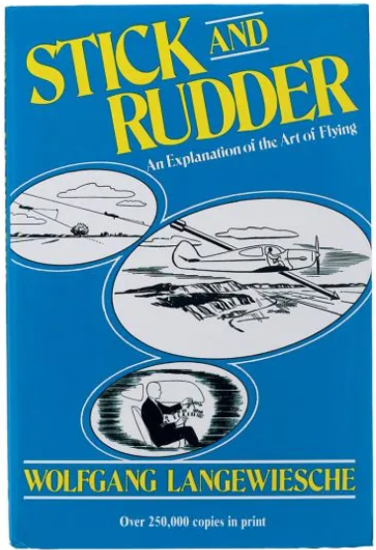 Published in 1944, Stick and Rudder: An Explanation of the Art of Flying by Wolfgang Langewiesche remains a cornerstone of aviation literature and has never gone out of print. This primer demystifies the fundamentals of flight from a pilot’s practical perspective, avoiding heavy technical jargon in favor of clear, usable insights. Langewiesche structures the book around key concepts like aircraft control, wing behavior in airflow, and common maneuvers, explaining stalls, turns, and stability using everyday analogies. The focus is always on what truly matters in the cockpit: understanding how the airplane “wants” to behave and how pilots can work with those tendencies.
What sets Stick and Rudder apart is its emphasis on intuitive flying. It takes pilots beyond the mechanical basics taught in ground school and builds a mental model where pilots learn to “think like a wing.” Critical ideas such as angle of attack and the true causes of stalls—regardless of speed, attitude, or power setting—become clear. This shift develops “air sense,” an instinctive feel for the airplane that improves precision, confidence, and recovery from the unexpected.
The book also sharpens decision-making by challenging common misconceptions that can lead to serious errors, such as misunderstanding lift or overusing rudder in turns. Langewiesche reframes aerodynamic theory around real-world flying problems, helping pilots make better choices grounded in physics rather than habit. Aerodynamic principles haven’t changed since Wolfgang wrote this book, and neither has its relevance. Even in modern aircraft, these timeless lessons remain essential for pilots who want to fly well for a lifetime.
Artful Flying — Michael Maya Charles
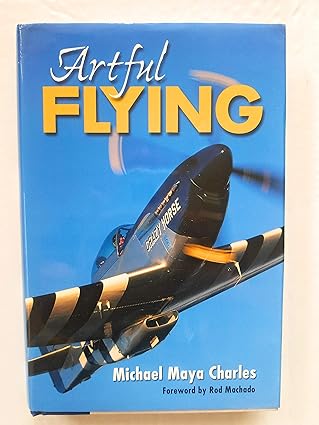 Artful Flying by Michael Maya Charles approaches aviation not merely as a technical skill, but as an art that demands mindfulness and continuous self-improvement. Using a narrative style, Charles explores the psychological and philosophical dimensions of flying, encouraging pilots to move beyond rote procedure and into mastery.
Do you want to be an automaton in the cockpit, or a pilot your passengers would describe as having mastered the art of flying? Charles challenges readers to pursue the latter. Drawing from his experience, he encourages pilots to treat every flight as an opportunity for growth, blending intuition with discipline. Topics such as flow states, situational awareness, and attention to subtle aircraft feedback push pilots to develop a deeper connection with both aircraft and environment.
For professional pilots, this book goes beyond basic proficiency and addresses the human elements that automation can never replace. By emphasizing awareness, anticipation, and reflection, Artful Flying enhances performance in high-pressure situations and helps pilots remain composed and adaptable. The book’s personal stories—moments of doubt, discovery, and refinement—offer insight without preaching, allowing readers to apply similar reflection to their own flying.
Espousing these concepts leads to a more thoughtful, polished style of flying—planning ahead, managing transitions smoothly, and flying in a way that feels deliberate rather than rushed. Both methods may get the job done, but only one has art in its application. Can you rise to that challenge?
Fate Is the Hunter — Ernest K. Gann
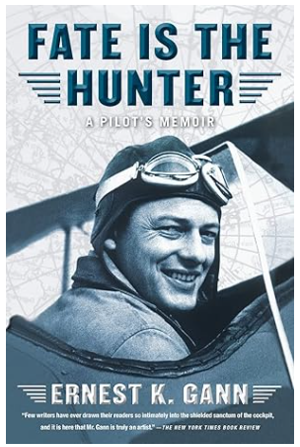 Ernest K. Gann’s Fate Is the Hunter, first published in 1961, is a gripping memoir chronicling his career as a commercial and military pilot during aviation’s formative years. The book weaves together stories of harrowing flights, mechanical failures, weather encounters, and near misses, all underscored by the role of luck, preparation, and judgment.
Its enduring value lies in how it shapes a pilot’s mindset rather than teaching technique. Gann’s stories highlight the importance of humility, preparation, mentorship, and knowing when to say no. He illustrates that skill alone is not enough—sound judgment and respect for uncertainty are just as critical.
Decision-making lessons are delivered through vivid personal accounts. From fog-bound approaches to unexpected weather over hostile terrain, Gann shows how assumptions can kill and vigilance can save lives. Readers learn from both his escapes and the tragedies of others, gaining insight without paying the price themselves.
This book is on my re-read list every couple of years, and each time I find something new. Fate Is the Hunter reminds pilots that aviation demands psychological endurance as much as technical skill. It fosters a mindset that values preparedness, restraint, and respect for the unpredictable—qualities that sustain a pilot over an entire career.
The Killing Zone — Paul A. Craig
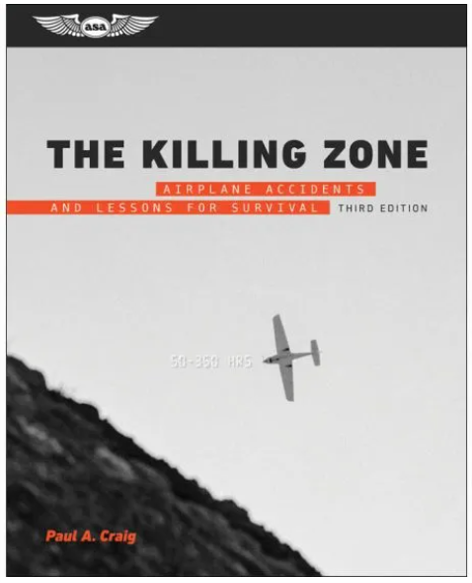 In The Killing Zone: How and Why Pilots Die, Paul A. Craig analyzes NTSB accident data to identify a particularly dangerous phase in a pilot’s development. First published in 2001, the book defines the “killing zone” as the period between roughly 50 and 350 flight hours, when newly certificated pilots are exposed to real-world flying without sufficient experience.
Craig examines common accident patterns—VFR into IMC, takeoff and landing accidents, fuel mismanagement—and uses case studies to show how otherwise capable pilots make fatal decisions. The book challenges overconfidence and encourages pilots to recognize how quickly margins can disappear.
The strength of The Killing Zone lies in its focus on decision-making. By learning from accident reports, pilots can identify traps such as get-there-itis and poor risk assessment before encountering them firsthand. Updated editions address modern concerns, including automation dependency, keeping the lessons relevant.
Throughout a pilot’s career, this book serves as a reminder that experience alone does not equal judgment. By emphasizing data-driven safety and honest self-evaluation, Craig equips pilots with tools to recognize risk early and make better decisions—skills essential for long-term survival in aviation.
Weather Flying — Robert N. Buck
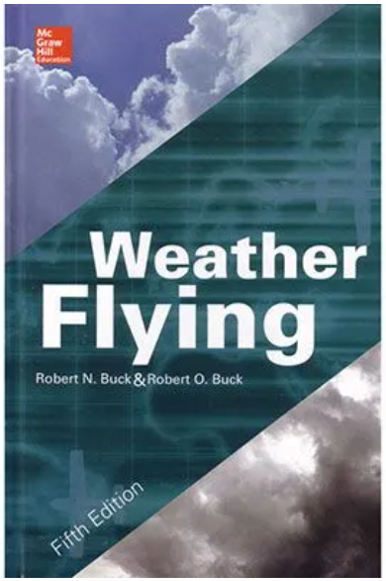 Weather Flying by Robert N. Buck, now updated by his son Rob Buck, is widely regarded as the definitive guide to understanding and flying in weather. Originally published in 1970, it covers everything from cloud interpretation and pressure systems to thunderstorms, icing, and turbulence. Buck’s writing blends meteorological theory with practical cockpit decision-making.
The book elevates pilots beyond simply reading weather briefings by teaching them how to interpret what they see both outside the windshield and on their instruments. Buck emphasizes “reading the sky” and correlating observations with forecasts, helping pilots make better in-flight decisions.
Personal stories from Buck’s extensive flying career reinforce these lessons. Accounts of research flights into severe weather and near-misses highlight the importance of judgment, restraint, and knowing when to divert. These experiences help pilots think more critically about weather as an evolving system rather than a static forecast.
While today’s cockpits provide an abundance of weather data, pilots still must understand what that data means and how to apply it. Weather Flying teaches that skill better than almost any other book, making it a valuable companion from early training through the later stages of a professional career.
Taken together, these five books represent a shift from simply learning how to fly to learning how to fly well. They move beyond basic pilotage and into judgment, discipline, and mindset—qualities that define a professional aviator, whether flying for a living or for the sheer love of it.
These are not books to read once and shelve. They reward revisiting at different stages of a flying life, when new experience gives old lessons fresh meaning. Each one challenges you to think more critically about how you manage risk, interpret conditions, and make decisions when the outcome is uncertain.
If you’re looking for winter reading during the months when flying slows down, consider adding these to your list. Treat them as long-term companions in your aviation journey—quiet instructors that continue to shape how you fly long after the last page is turned.
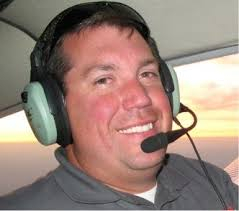
A NAFI Master Flight Instructor and 2023 Michigan FAA Safety Team Representative of the Year, Jason has over 30 years of flying experience and two decades as a flight instructor. He was named 2016 Michigan CFI of the Year and has served as Executive Director of the National Association of Flight Instructors. His service includes national committees such as the FAA’s Runway Safety Council, the General Aviation Joint Steering Committee, and the TSA Aviation Safety Advisory Council.
In addition to examiner duties, Jason works with aviation associations and companies as a consultant and writer, focusing on pilot training, testing, and safety. He holds undergraduate degrees in Human Resource Management and International and Comparative Politics, plus a master’s degree in Development Administration from Western Michigan University. Originally from Michigan’s Upper Peninsula, he is an avid outdoorsman who enjoys scuba diving, skiing, hunting, fishing, mountain biking, and golfing.
- Five Aviation Books Every Pilot Should Read - February 2, 2026
- And then the lights didn’t go on - January 24, 2018

Leave a Reply
Want to join the discussion?Feel free to contribute!